

Why Pollinator-Friendly Planting for Large Estates Is One of the Smartest Investments You Can Make
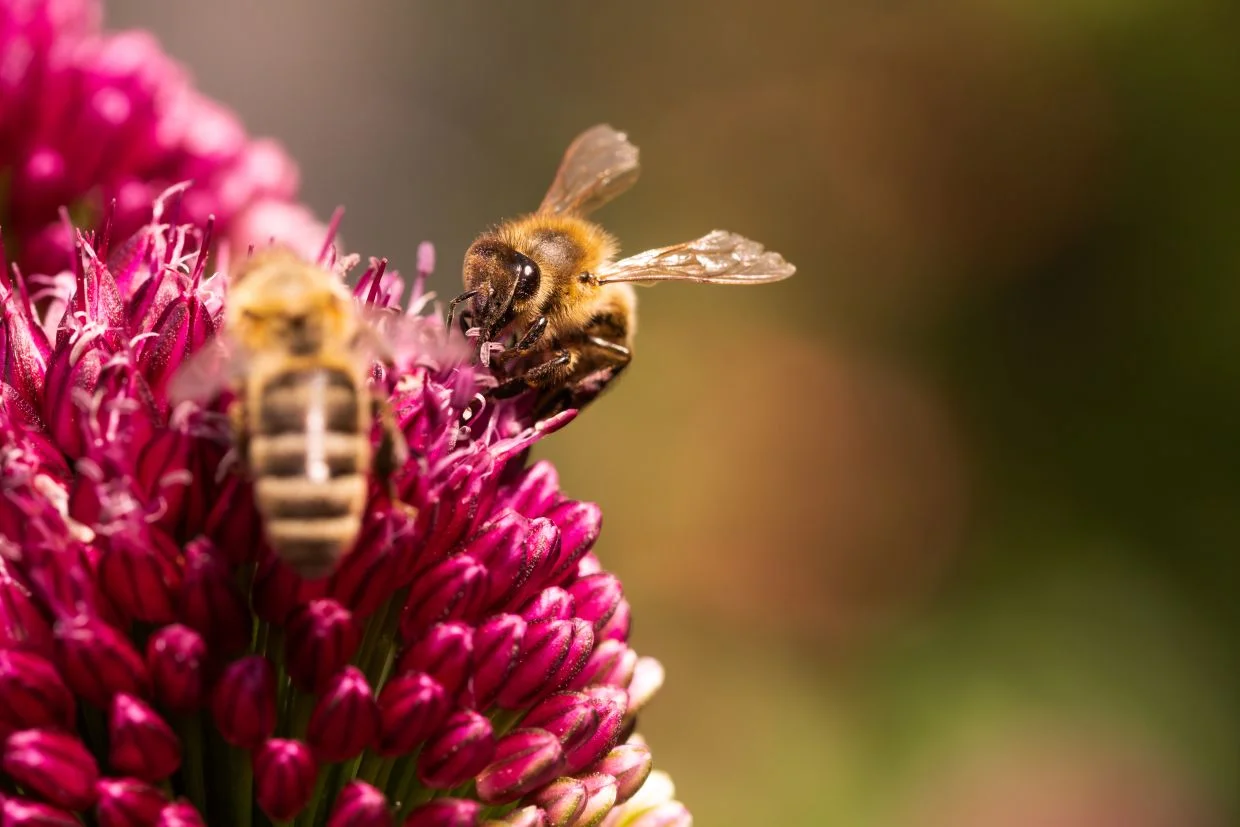
Pollinator-friendly planting for large estates is the intentional design and stewardship of expansive landscapes to support bees, butterflies, hummingbirds, and other essential pollinators. By incorporating native plant species, planning diverse bloom sequences that provide nectar and pollen throughout the seasons, and reducing or eliminating chemical inputs, estate owners can transform multiple acres into thriving, ecologically balanced environments. Thoughtful layering of trees, shrubs, perennials, and meadow areas not only enhances biodiversity but also creates a visually dynamic landscape that evolves beautifully from early spring through late fall.
Quick answers for estate managers:
- Best approach: Replace turf with 70-80% native plants, grouped in masses of 5-7 for maximum pollinator impact
- Top benefit: Lower long-term maintenance costs and measurable gains in biodiversity
- Biggest win: Year-round bloom succession keeps pollinators fed from early spring through late fall
- Key rule: Avoid pesticides, reduce mowing frequency, and leave some bare soil for ground-nesting bees
- Scale strategy: Divide the property into habitat zones — meadows, woody borders, groundcover bands, and water features
The stakes are real. Monarch butterfly populations have dropped by nearly 90% over the last two decades. Over 52% of native bee species are experiencing population declines. And with more than 4,000 native bee species in North America — 70% of which nest directly in the ground — the way large estates manage their land has an over-sized effect on regional ecosystems.
A sprawling estate isn’t just a maintenance challenge. It’s an opportunity. Hundreds of acres of lawn, ornamental beds, and unused corridors can become a thriving pollinator habitat — without sacrificing curb appeal or adding significant labor.
Strategic Design Principles for Pollinator-Friendly Planting for Large Estates
When we approach landscape construction for an expansive property, we don’t just look at individual flower beds. We look at the entire acreage as a living system. For large estates, the goal is scale integration—creating habitat corridors that allow pollinators to move safely across the property.
One of the most important behaviors to design for is “flower constancy.” Many bees prefer to visit the same type of flower during a single foraging trip. To support this, we use a clustering strategy: instead of scattering single plants, we group 5 to 7 individuals of the same species together. This makes foraging more efficient for the bees and creates a more intentional, high-end aesthetic for the estate.
Layering is another essential principle. By combining tall canopy trees, mid-story shrubs, and low-growing perennials, we mimic natural ecosystems. This provides not just food, but also essential nesting sites and wind protection. When selecting your palette, refer to pollinator plant guides by region to ensure the species you choose are ecologically appropriate for Southern California or the Central Coast.
Year-Round Bloom Successions for Pollinator-Friendly Planting for Large Estates
A common mistake in estate gardening is a “bloom gap”—a period in mid-summer or late fall when nothing is flowering. For pollinators, this is a food desert. We design for a continuous “relay race” of nectar and pollen.
- Early Spring: Native shrubs and woody plants are the unsung heroes here. Species like Willow or Maple provide critical early-season fuel for bees emerging from winter.
- Summer Peak: This is when the “nectar all-stars” shine, providing high volumes of sugar to sustain active colonies.
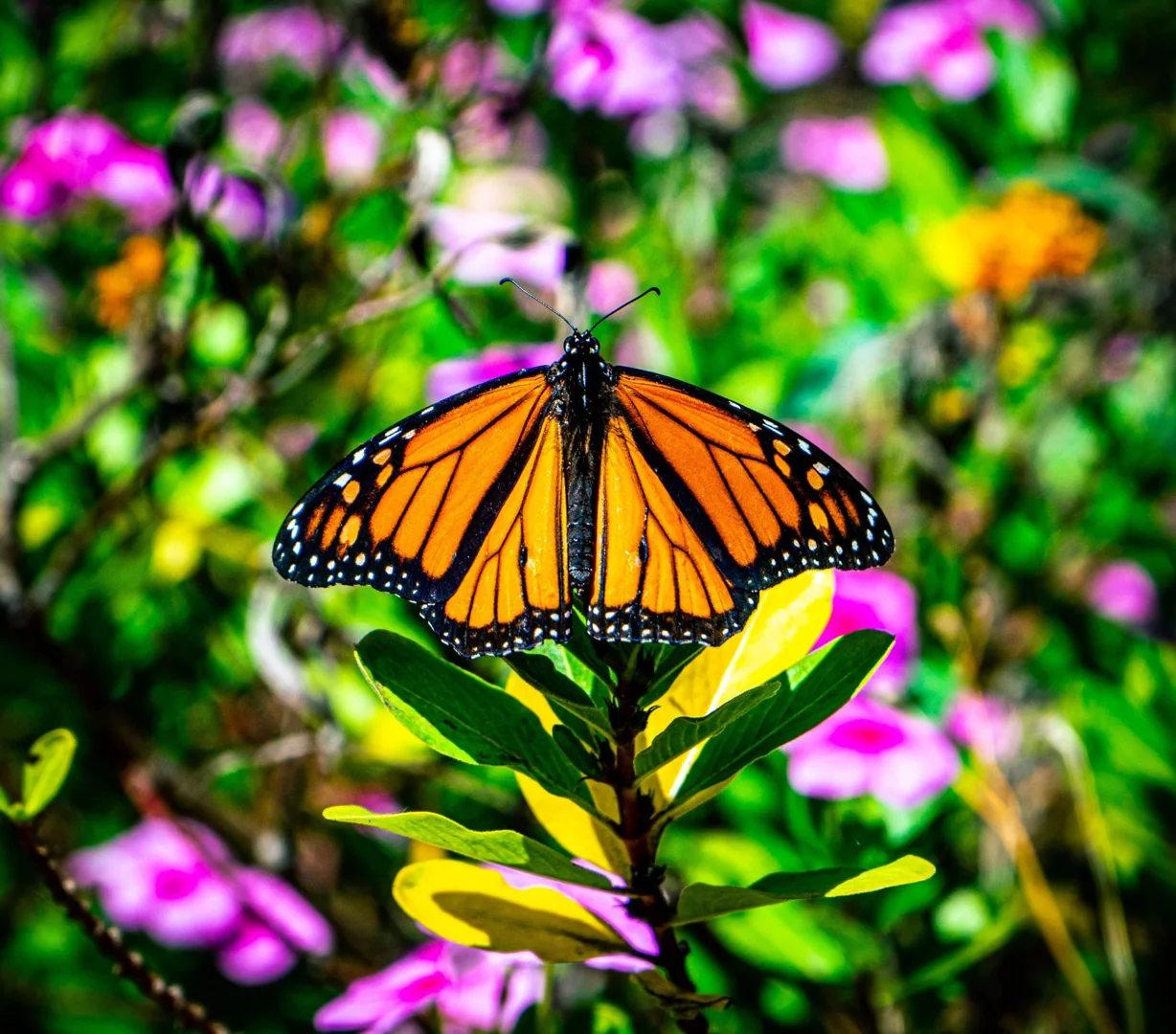
- Late Fall: This is a high-stakes season, especially for migrating Monarchs and bees preparing for winter. We view asters as keystone species because they offer vital late-season blooms when most other plants have gone dormant.
Incorporating Structural Elements and Water Features
Habitat is more than just food. Since 70% of native bees nest in the ground, it is vital to leave some areas of well-drained, bare soil rather than covering every square inch with heavy mulch.
We often incorporate “bee hotels” or nesting blocks for solitary bees, but natural elements like brush piles in the back-acreage are just as effective. Water is also a necessity. A stone water feature for bees should be shallow, filled with pebbles or large gravel that rise above the water line. This allows bees and butterflies to land and drink safely without the risk of drowning.
Selecting Native Flora for the California Central Coast
Selecting native flora for the California Central Coast is one of the most impactful decisions large estate owners can make when designing a pollinator-friendly landscape. This region’s unique Mediterranean climate — characterized by cool, wet winters and long, dry summers — demands plants that are naturally adapted to seasonal drought, coastal winds, and varying soil conditions. Native species have evolved alongside local pollinators, making them especially effective at providing the nectar, pollen, and habitat support that bees, butterflies, and hummingbirds rely on throughout the year.
For expansive estate properties, incorporating Central Coast natives also supports long-term sustainability and reduces maintenance inputs. Deep-rooted native plants typically require less supplemental irrigation once established, demonstrate greater resistance to local pests and diseases, and contribute to healthier soil ecosystems. When thoughtfully integrated into meadows, woodland edges, hedgerows, and ornamental beds, native flora not only strengthens biodiversity but also creates a landscape that feels authentic to the region — refined, resilient, and naturally in harmony with its surroundings.
One of the most critical host plants in any pollinator-focused landscape is milkweed, as it serves as the sole food source for monarch caterpillars. Without milkweed, monarch butterflies cannot complete their life cycle, making its presence essential for meaningful conservation efforts. For large estates seeking to support biodiversity, incorporating healthy stands of milkweed can significantly strengthen habitat value. However, establishing milkweed from seed can be challenging, as it often requires proper stratification, well-drained soil, and careful early-stage care to ensure successful germination and growth.
| Plant Type | Purpose | Examples for Central Coast |
|---|---|---|
| Nectar Plants | Adult Food | Sage (Salvia), Buckwheat (Eriogonum), Aster |
| Host Plants | Larvae Food | Milkweed (Asclepias), California Lilac (Ceanothus) |
| Structural Plants | Nesting/Shelter | Native Oaks, Manzanita, Coffeeberry |
Groundcovers and Living Mulch for Expansive Estates
Groundcovers and living mulches are increasingly popular tools for large estate landscapes, offering both functional and aesthetic benefits across expansive grounds. These low-growing plants provide year-round soil coverage, helping to suppress weeds, reduce erosion on slopes, and retain valuable moisture — all while creating a lush, visually cohesive carpet that ties garden beds, meadows, and pathways together. Unlike traditional mulch, living groundcovers continue to grow, flower, and attract pollinators, adding an extra layer of ecological value to estate grounds.
For estates aiming to support pollinators, select groundcovers that bloom at different times of the year, providing consistent nectar and pollen sources. Native options, such as California fuchsia (Epilobium canum), creeping sage, or low-growing sages, can thrive in local soils with minimal irrigation, enhancing both sustainability and biodiversity. By strategically planting living mulch in open beds, along borders, and beneath trees and shrubs, estate owners can reduce maintenance needs while creating a dynamic, pollinator-friendly landscape that evolves gracefully across seasons.
Implementation and Maintenance of Large-Scale Pollinator Habitats
Transitioning several acres to a pollinator-friendly model requires a different toolkit than traditional gardening. “Meadowscaping” is the gold standard for large-scale conversions. According to the Pollinator Habitat Establishment Guide, the most critical phase is site preparation.
We often use organic preparation methods like soil solarization (using clear plastic to “cook” weed seeds in the sun) or repeated tilling and watering to exhaust the weed seed bank. When it comes time to plant, we use a mix of methods:
- Seeding: Best for large meadows, often requiring specialized equipment like seed drills.
- Plugs: Using “plugs”—small, young plants—is the most cost-effective way to get high-density results in smaller, high-visibility areas.
Managing Pollinator-Friendly Planting for Large Estates and HOAs
For estates within homeowner associations or high-end communities, “aesthetic concerns” are often the biggest hurdle. A wild meadow can sometimes be mistaken for a neglected lot. We solve this through “cues to care”—intentional design elements like mowed edges, split-rail fences, and professional educational signage.
In California, we must also balance habitat with fire safe landscaping practices. This means keeping “defensible space” clear of tall, dry grasses near structures. Additionally, xeriscaping for HOA compliance allows us to use drought-tolerant natives that stay green and lush with minimal water, satisfying both the board and the bees. Resources from the Xerces Society can provide the data needed to persuade skeptical HOA boards of the benefits.
Sustainable Stewardship and Long-Term Care
The maintenance of a pollinator estate is less about “tidying up” and more about “stewardship.” Traditional “mow, blow, and go” services actually harm pollinators by removing nesting sites and food sources.
Proper pruning in pollinator-friendly landscapes relies heavily on timing to protect both plants and wildlife. For example, hollow-stemmed plants should not be pruned in the fall, as these stems provide critical overwintering sites for many native bees. Equally important is early detection of plant diseases. Because harsh chemical treatments are avoided to safeguard pollinators, identifying fungal or pest issues early and managing them with organic methods is essential to prevent widespread damage across the landscape.
Our long-term care strategy includes:
- Reduced Mowing: Mowing every other week instead of weekly can dramatically increase pollinator populations.
- Natural Pest Control: Encouraging predatory insects like ladybugs and lacewings.
- Beekeeping: Some estate owners choose to add managed honeybee hives. If you’re interested, a beekeeping 101 course is a great start.
- EPA Guidelines: We follow EPA pollinator protection standards to ensure our maintenance practices never inadvertently harm the species we are trying to save.
Frequently Asked Questions about Estate Pollinator Gardens
How do pollinator gardens impact estate property values and LEED certification?
Sustainable landscapes are increasingly seen as high-value assets. Meeting LEED Certification goals can provide significant tax benefits and increase the prestige of a commercial or residential estate. Beyond the numbers, the increased curb appeal of a blooming, bird-filled meadow is a unique selling point that traditional turf simply cannot match. For corporate estates, these gardens are a cornerstone of Corporate ESG (Environmental, Social, and Governance) goals.
Can I have a pollinator garden if my estate has strict HOA rules?
Absolutely. The key is a “managed look.” By using native cultivars that have a more compact growth habit and placing them in structured beds, you can support pollinators while maintaining a formal appearance.
What is the best way to control weeds in a large-scale pollinator meadow?
Success starts with the site prep mentioned earlier. Once established, we manage weeds through competitive planting—filling every niche so weeds have no room to grow. We also use selective mowing heights (mowing high to cut off weed seed heads while leaving native basal leaves intact). For more advanced management, refer to the Pollinator Habitat Management Guide.
Partner with Experts for Year-Round Peace of Mind
Maintaining a pollinator-friendly landscape on a large estate requires careful planning, timing, and specialized knowledge. The scale and complexity of these properties—spanning meadows, woodlands, garden beds, and water features—make it challenging to manage plants, irrigation, and wildlife habitat effectively without professional support. Attempting it alone can lead to stressed plants, reduced pollinator activity, and costly missteps.
Working with experienced landscapers ensures that your property thrives year-round. Experts can implement strategic pruning, manage soil health, maintain bloom succession, and monitor pollinator habitats—all while reducing chemical inputs and conserving water. The result is a vibrant, resilient landscape that supports biodiversity, enhances visual appeal, and protects your estate’s long-term ecological and financial value.
Plowboy Landscapes: Your Partner in Beautiful, Sustainable Outdoor Spaces
If you’re ready to transition your large commercial property—or want a more reliable maintenance partner—Plowboy Landscapes is here to help.
At Plowboy Landscapes, we’ve spent over 55 years helping large estates across Santa Barbara, Ventura County, the Central Coast, and the San Fernando Valley achieve sustainable, beautiful outdoor spaces. Our dedicated team specializes in large-scale maintenance, pollinator-friendly plantings, water-efficient irrigation, and long-term ecological planning, providing peace of mind for estate owners who want their landscapes to flourish responsibly.
Whether you want to improve water efficiency, overhaul outdated landscaping, or create a more sustainable long-term plan, we bring the skill and consistency needed to maintain large properties the right way.
Call us today: (805) 643-4966