

Seasonal Color Rotation for Estates Is Worth Planning Carefully
Seasonal color rotation is one of the most effective ways to keep a landscape looking fresh, polished, and visually engaging throughout the year. Rather than allowing beds to fade or become stagnant between seasons, a strategic rotation plan ensures that each transition introduces new vibrancy, texture, and interest. For estates and commercial properties, this approach not only enhances curb appeal but also reinforces a sense of care, prestige, and attention to detail.
By thoughtfully selecting plant varieties that thrive in each season and complement the property’s architecture and overall design, color rotation becomes more than maintenance—it becomes a living expression of the landscape. With the right planning and execution, your grounds can deliver continuous impact, creating a dynamic, welcoming environment that evolves beautifully month after month.
Here’s a quick overview of how it works:
| Season | Timing | Example Plants |
|---|---|---|
| Spring | March | Daffodils, Pansies |
| Summer | May | Petunias, Marigolds, Zinnias |
| Fall | September | Salvia, Lantana, Angelonia Ornamental Grasses |
| Halloween | October | Celosia |
| Winter Greens | December | Evergreen shrubs, Boxwood, Camellia foliage |
| Late Winter | February | Camellias, Cool-Season Annuals |
For large estates, the stakes are high. A well-landscaped property holds a measurable price advantage — research suggests good landscaping can add up to 28% to a home’s overall value. Moving from good to excellent can add another 6% to 7% on top of that.
But beyond property value, there’s a simpler truth: a landscape that looks tired or patchy reflects poorly on everything behind it. Estate grounds are the first thing visitors, clients, or buyers see. That first impression matters.
The Strategic Impact of Seasonal Color Rotation on Estate Value
Seasonal color rotation plays a strategic role in elevating both the aesthetic appeal and long-term value of an estate. Consistently refreshed plantings signal attentive care, reinforce architectural features, and create a dynamic landscape that feels intentional and refined throughout the year. This ongoing visual interest not only enhances curb appeal but also strengthens first impressions for guests, clients, or prospective buyers—positioning the property as well-maintained and prestigious. When executed thoughtfully, seasonal color rotation becomes more than a design choice; it is a value-driven investment that contributes to the overall perception, marketability, and distinction of the estate.
Property Appreciation and the Price Advantage
Data from Virginia Tech and other landscape economists shows that a well-landscaped home enjoys a 5.5% to 12.7% price advantage over a home with no landscaping. For a multi-million dollar estate, that percentage translates to hundreds of thousands of dollars in equity. By implementing a rotation schedule, you ensure the property never hits a “down cycle” where it looks neglected. This is particularly vital for Enhancing Curb Appeal at Scale across sprawling acreages where a single dead meadow or brown flower bed can diminish the entire property’s prestige.
Emotional Well-being and the “Dopamine Release”
Seasonal color rotation does more than enhance the visual appeal of an estate—it can have a meaningful impact on emotional well-being. Fresh, vibrant plantings introduce variety and stimulation to outdoor spaces, subtly triggering the brain’s natural “dopamine release,” which is associated with feelings of pleasure, motivation, and satisfaction. As colors shift with the seasons, they create a sense of renewal and anticipation, making the landscape feel alive and engaging rather than static. For residents, guests, and visitors, this ever-evolving environment fosters a more uplifting, calming, and enjoyable experience—turning the landscape into not just a visual asset, but an emotional one as well.
The Strategic Impact of Seasonal Color Rotation
Seasonal color rotation plays a strategic role in elevating both the aesthetic appeal and long-term value of an estate by ensuring the landscape remains vibrant and intentional throughout the year. In spring, fresh blooms signal renewal and meticulous care, while summer installations deliver bold, saturated color that enhances curb appeal at its peak. As fall approaches, warm tones and textured plantings create a sense of richness and transition, and winter rotations maintain structure and visual interest when many landscapes fade. This continuous evolution prevents the property from ever appearing stagnant, reinforcing a polished, high-end presence in every season.
Beyond beauty, this consistency communicates stewardship, attention to detail, and pride of ownership—qualities that directly influence how an estate is perceived by guests, clients, and potential buyers. A thoughtfully executed rotation plan not only complements the architecture and surroundings but also creates memorable, immersive experiences year-round. In this way, seasonal color becomes more than decoration; it is a strategic investment that enhances marketability, strengthens first impressions, and contributes to the overall prestige and value of the property.
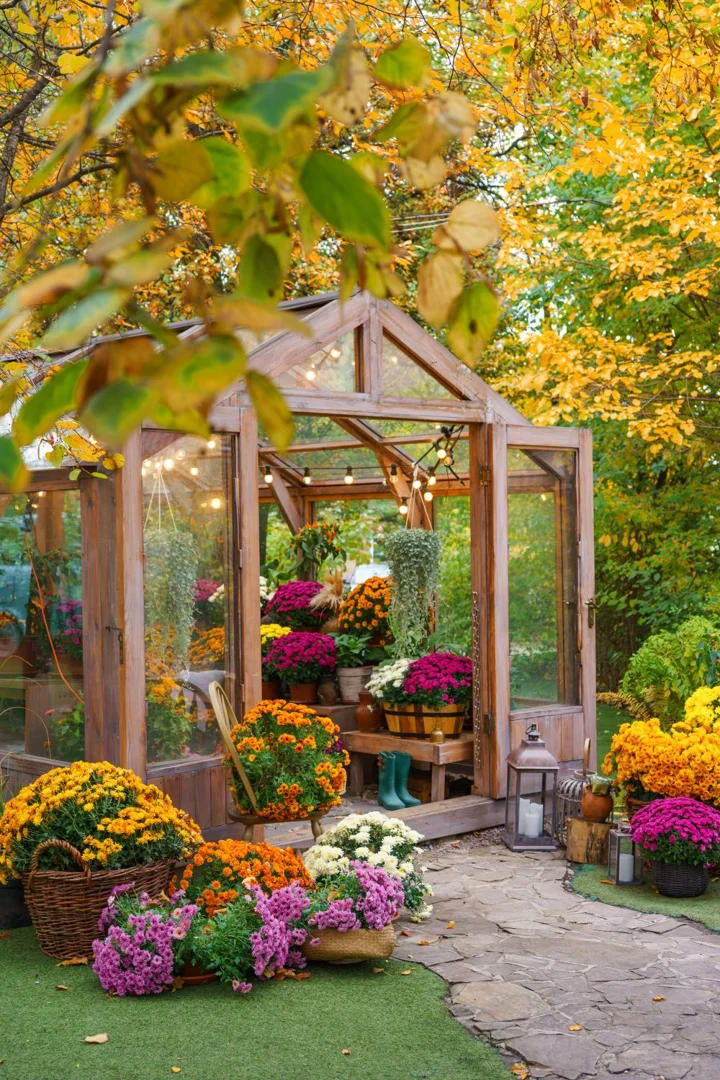
The Art of the Annual Rotation
A successful seasonal color program is not simply about changing flowers—it is a carefully orchestrated process that blends timing, design, and horticultural expertise. The art of the annual rotation lies in anticipating transitions before they are visible, ensuring each season flows seamlessly into the next without gaps in color or vitality. This requires thoughtful plant selection, precise scheduling, and an understanding of how climate, light, and soil conditions influence performance across the year. When executed well, rotations feel effortless, maintaining a consistently polished appearance that aligns with the estate’s overall aesthetic.
Beyond logistics, annual rotation is a form of living design. Each installation is an opportunity to refine color palettes, introduce new textures, and enhance key focal points throughout the property. By layering complementary plantings and balancing bold seasonal statements with timeless structure, the landscape becomes dynamic without ever feeling inconsistent. The result is a curated outdoor environment that evolves gracefully—delivering continuous visual interest while reinforcing the sophistication and identity of the estate.
Texture Layering and Overlapping Blooms
The secret to a landscape that never looks “empty” is overlapping bloom times. We don’t wait for the spring flowers to die before thinking about summer. We plant mid-season performers that rise as the early bloomers fade. This is one reason Why Spring is the Most Important Season for Landscape Investment; it sets the biological foundation for the rest of the year.
Achieving Year-Round Visual Excellence: Seasonal Color Rotation for Estates through Structural Design
While flowers provide the “pop,” the structure of the garden provides the “bones.” Without a strong structural design, a seasonal rotation can look messy or disorganized.
The 40-60% Evergreen Rule
The 40–60% evergreen rule is a landscape design guideline suggesting that roughly 40–60% of your plant material (by visual mass, not just plant count) should be evergreen plants, with the remaining 40–60% made up of deciduous and seasonal-interest plants.
The goal is to ensure your landscape has a strong year-round structure. Evergreens provide consistency in winter when everything else dies back, while also offering privacy, wind protection, and a stable visual “framework” for the garden. The deciduous and flowering plants then layer on seasonal color, texture, and movement throughout spring, summer, and fall.
In practice, this balance prevents a landscape from feeling “empty” in winter or overly static in summer. It’s commonly used in residential estate design because it keeps curb appeal steady across all seasons while still allowing for dramatic seasonal displays.
Regional Plant Palettes and Climate-Specific Selections
In Southern California and the Central Coast, we are blessed with a Mediterranean climate, but that doesn’t mean we can plant anything, anywhere. Our regions—from the San Fernando Valley to Santa Barbara County—have microclimates that dictate success.
USDA Zones and Native Species
Working with the local environment is the only way to achieve sustainable excellence. We prioritize The Role of Native Plants in Long-Term Landscape Sustainability because these species are adapted to our wet winters and dry summers.
- Ventura & Santa Barbara Coastal: Focus on salt-tolerant species and plants that thrive in fog.
- San Fernando Valley: Focus on heat-tolerant varieties that can withstand 100-degree summer days.
- Central Coast: Blend rugged coastal beauty with refined estate aesthetics.
Pollinator Attraction and Biodiversity
A rotating landscape is a living landscape. By selecting flowers that bloom at different times, we provide a year-round food source for bees, butterflies, and hummingbirds. This commitment to Eco-Friendly Landscaping doesn’t just look good; it supports the local ecosystem, making your estate a sanctuary for local wildlife.
Seasonal Color Rotation for Long-Term Sustainability
Sustainability isn’t just a buzzword; it’s a requirement for modern estate management. To keep a rotation schedule from being wasteful, we focus on the health of the “system.”
Soil Health and Organic Amendments
You can’t have world-class flowers in third-rate soil. Before every major rotation, we cultivate the beds, rototilling the soil and adding organic amendments and fertilizers. This ensures the new plants have the nutrients they need to “pop” immediately. We also adhere to regional aesthetic guidelines, such as the Santa Barbara Colors palette, which emphasizes earth tones and natural harmony.
Water-Wise Selections and Climate Adaptation
Water-wise plant selection is the practice of choosing trees, shrubs, and flowers that naturally require less irrigation once established. These plants are typically adapted to local rainfall patterns, soil conditions, and temperature extremes, making them more resilient during droughts and seasonal shifts. In practical landscaping, this means prioritizing drought-tolerant species, deep-rooted perennials, and native or near-native plants that can thrive with minimal supplemental watering.
Climate adaptation goes a step further by designing landscapes that can handle increasing weather variability—hotter summers, irregular rainfall, and occasional extreme weather events. This often includes grouping plants with similar water needs, improving soil health to increase water retention, using mulch to reduce evaporation, and incorporating shade trees or windbreaks to reduce plant stress. Together, these strategies create landscapes that are not only lower maintenance and more sustainable, but also more stable and visually reliable over time.
Professional Implementation and Maintenance Strategies
Managing a 6-stage seasonal rotation on a large estate is a full-time job—literally. This is why we provide full-time, on-site gardeners for many of our clients.
Custom Scheduling and Preparation
Our process begins with a custom schedule tailored to the specific microclimate of the estate.
- Soil Preparation: Rototilling and amending the soil to ensure a nutrient-rich base.
- Irrigation Management: Adjusting timers and checking for leaks to accommodate the specific needs of new plantings.
- Drainage Systems: Ensuring that seasonal rains (or heavy irrigation) don’t lead to root rot.
The Maintenance Loop
Once the plants are in the ground, the work has just begun. Our Maintenance Services & Programs include:
- Deadheading: Removing spent blooms to encourage the plant to produce more flowers.
- Fertilization: Targeted nutrient applications based on the specific plant’s life cycle.
- Pest Control: Using organic and sustainable methods to protect the display without harming pollinators.
Frequently Asked Questions about Seasonal Color Rotation
How often should seasonal colors be rotated on a large estate?
For estates, we typically recommend four to six rotations per year. This usually includes a major Spring and Fall planting, with “refresher” rotations in Summer, Late Winter, and specialized displays for holidays like Halloween or the Winter season.
What are the best plants for winter interest in mild climates?
In Southern California, “winter” is often our second spring. We use winter-blooming Camellias, Red-twig Dogwoods for their striking bark, and ornamental kale or cabbage for texture. Berrying hollies also provide excellent color during the December months.
How does seasonal color rotation impact local biodiversity?
By ensuring there is always something in bloom, you provide a continuous nectar source for pollinators. Using a mix of native plants and seasonal annuals creates a “pollinator corridor” that supports local bee and butterfly populations even when other gardens have gone dormant.
Plowboy Landscapes: Your Partner in Beautiful, Sustainable Outdoor Spaces
Seasonal color rotation is more than an aesthetic strategy—it’s a thoughtful approach to maintaining a landscape that feels alive, intentional, and continually engaging throughout the year. By planning plantings that peak in different seasons, you ensure that the property never feels stagnant or neglected, while also supporting healthier plant cycles and more efficient garden management. Over time, this rhythm of renewal creates a sense of continuity and care that enhances curb appeal, strengthens emotional connection to the space, and elevates the overall value and experience of the landscape.
At Plowboy Landscapes, Inc., we believe that an estate’s landscape should be a source of pride and a reflection of excellence in every season. With over 50 years of experience serving the Central Coast, Santa Barbara, and Ventura counties, we have the expertise to design, install, and maintain world-class seasonal displays.
Whether you are looking for award-winning construction or a sustainable, organic garden maintenance program with on-site staff, our team is ready to help you achieve Year-Round Visual Excellence: Seasonal Color Rotation for Estates.
For More info about estate maintenance programs or to schedule a consultation for your property, contact us today. Let’s make your estate the standard for visual excellence in Southern California.